
WASH
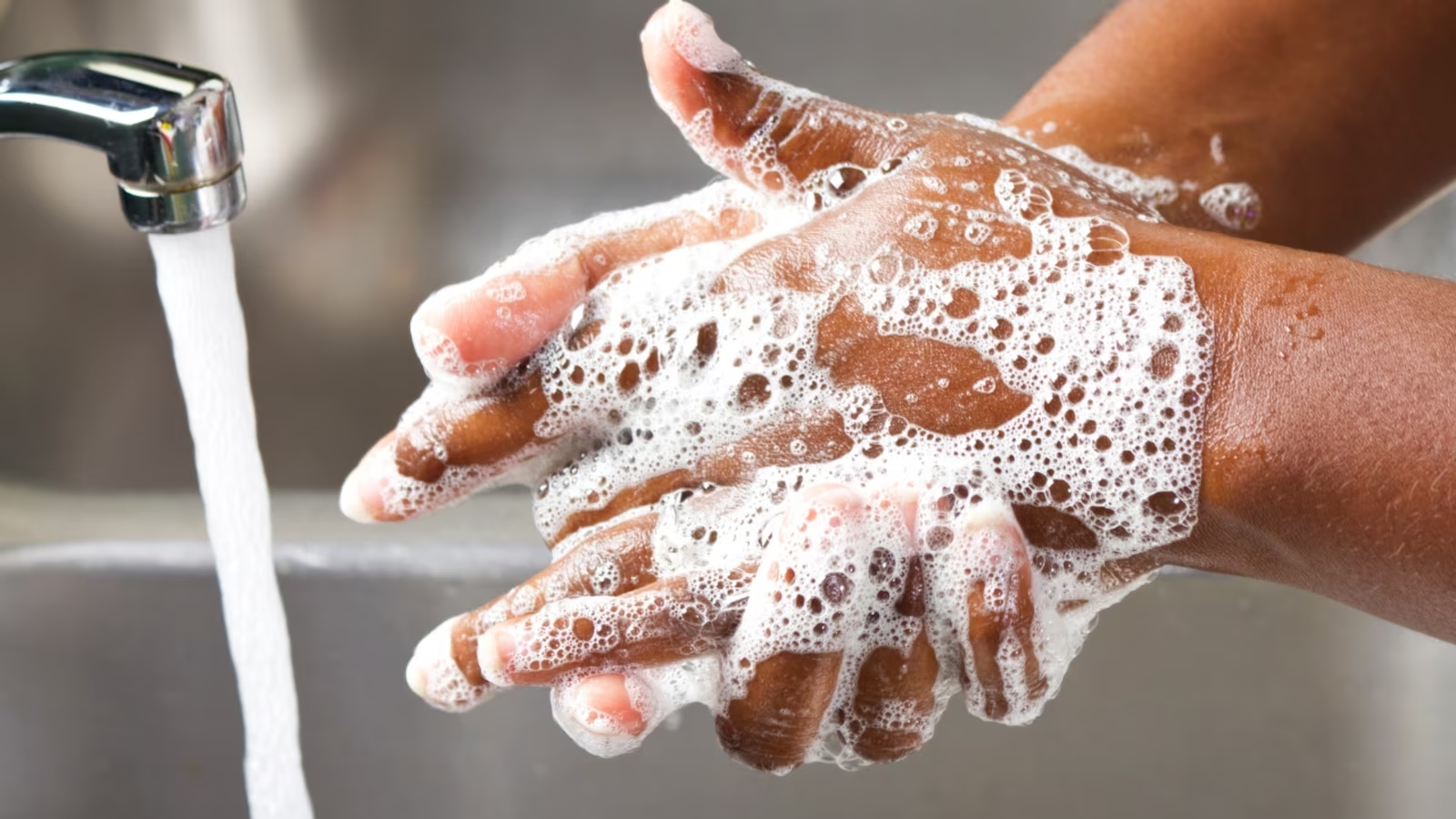
The WASH (Water, Sanitation and Hygiene) initiative has been established by several countries to ensure clean drinking water, proper sanitation facilities, and a hygienic living environment, thus enhancing the quality of life.
Objectives of the WASH Initiative:
In line with WHO’s 2018-2025 plan, the WASH initiative aims to enhance global sanitation and hygiene standards and ensure access to clean water for a healthier life.
The main objectives include
- Enhancing the quality of drinking water to safeguard public health.
- Supervising healthcare facilities to ensure they meet appropriate standards.
- Ensuring the safety of sanitation and wastewater management.
- Analyzing data provided by the Global Analysis and Assessment of Sanitation and Drinking-Water (GLAAS).
- Collaborating with various partners, participating in global platforms, and advocating for WASH.
- Integrating WASH with other programs like climate change, emergencies, health, and nutrition to maximize effectiveness and outcomes.
The primary purposes of offering WASH services include promoting public health, ensuring human dignity through proper sanitation, upholding the human right to clean water and sanitation, reducing the burden of water collection, particularly for women, mitigating risks of violence against women, enhancing education and healthcare in schools and medical facilities, and minimizing water pollution. Access to WASH services is a crucial component of achieving water security and can lead to improvements in health, life expectancy, education, gender equality, and socioeconomic development while contributing to poverty reduction.
Purposes of Providing WASH Services:
The primary purposes of offering WASH services include promoting public health, ensuring human dignity through proper sanitation, upholding the human right to clean water and sanitation, reducing the burden of water collection, particularly for women, mitigating risks of violence against women, enhancing education and healthcare in schools and medical facilities, and minimizing water pollution. Access to WASH services is a crucial component of achieving water security and can lead to improvements in health, life expectancy, education, gender equality, and socioeconomic development while contributing to poverty reduction.
- Improving the quality of drinking water to reduce the risk of human health
- Monitor healthcare facilities is another important aim of WASH
- Improving the safety of sanitation and wastewater management
- Monitor the data presented by the Global Analysis and Assessment of Sanitation and Drinking-Water (GLAAS)
- Coordinate with multi-sectoral partners, lead or engage with global and regional platforms, and advocate for WASH
- Integration of WASH with health and other programmes such as AMR, cholera, climate change, emergencies, IPC, NTDs, nutrition, UHC, water security to increase synergies and impacts
Purposes:
The purposes of providing access to WASH services include achieving public health gains, improving human dignity in the case of sanitation, implementing the human right to water and sanitation, reducing the burden of collecting drinking water for women, reducing risks of violence against women, improving education and health outcomes at schools and health facilities, and reducing water pollution. Access to WASH services is also an important component of achieving water security.
Improving access to WASH services can improve health, life expectancy, student learning, gender equality, and other important issues of international development. It can also assist with poverty reduction and socio-economic development.